
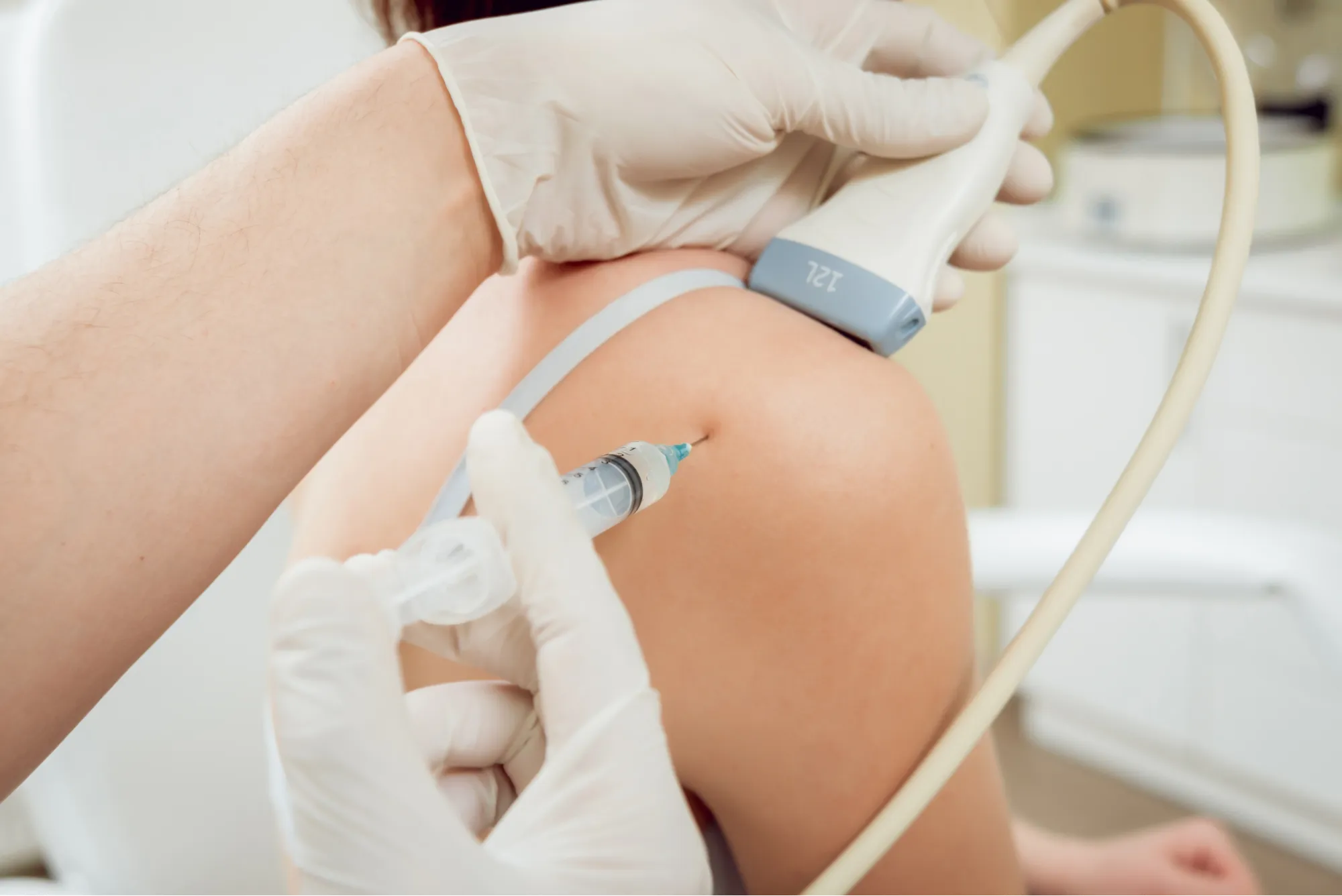

Tennis elbow, or lateral epicondylitis, is a common overuse injury that can cause persistent pain and make everyday activities like gripping, lifting, or twisting difficult. While many patients find relief through rest, physical therapy, or medication, some continue to struggle with chronic symptoms. Platelet-rich plasma (PRP) therapy has emerged as a promising regenerative treatment option, aiming to support the body’s natural healing process. In this post, we’ll explore how PRP therapy works for tennis elbow, along with what to expect during and after the procedure.
Key Takeaways
- Tennis elbow is a common overuse injury affecting the tendons on the outside of the elbow, leading to pain and weakened grip strength.
- PRP therapy is a regenerative treatment that utilizes a concentration of the patient’s own platelets to stimulate healing and tissue repair in damaged tendons.
- The procedure involves drawing a small amount of the patient’s blood, processing it in a centrifuge to concentrate platelets, and then injecting the PRP into the affected tendon.
- Recovery typically involves a period of rest and activity modification, followed by a structured physical therapy program to restore strength and function.
Understanding Tennis Elbow (Lateral Epicondylitis)
Tennis elbow is a painful condition that affects the tendons on the outside of the elbow. Despite its name, it is not exclusive to tennis players; in fact, only a small percentage of those affected actually play tennis. It is more accurately described as an overuse injury resulting from repetitive motions of the wrist and arm, particularly those involving gripping, lifting, or twisting.
Symptoms
Symptoms of tennis elbow include pain or burning on the outer part of the elbow, weakened grip strength, and tenderness. The pain may radiate down the forearm to the wrist and can worsen with activities such as gripping or lifting objects, twisting the forearm, or extending the wrist or fingers. It can make ordinary actions such as shaking hands or turning a doorknob painful and challenging.

Diagnosis
Diagnosing tennis elbow typically involves a thorough medical history and a physical examination. Your doctor may assess your symptoms, inquire about your activities, and perform specific tests to evaluate pain and tenderness around the elbow. These tests often involve resisting wrist and finger extension. In some cases, imaging studies such as X-rays or MRI may be ordered to rule out other conditions or assess the extent of tendon damage, though they are not always necessary for diagnosis.
Traditional Treatment Approaches
Initial treatment for tennis elbow is usually conservative and aims to reduce pain and promote healing. Common approaches may include:
- Rest and Activity Modification: Avoiding activities that aggravate the condition.
- Ice Application: Applying ice packs to the affected area to help reduce pain and inflammation.
- Nonsteroidal Anti-Inflammatory Drugs (NSAIDs): Over-the-counter medications to help manage pain and inflammation.
- Physical Therapy: A tailored program of exercises to stretch and strengthen the forearm muscles, improve flexibility, and correct biomechanics.
- Bracing: Wearing a brace may help reduce strain on the injured tendons.
- Surgery: Reserved for severe or chronic cases that do not respond to conservative treatments, involving the removal of damaged tissue.
Platelet-Rich Plasma (PRP) Therapy: A Regenerative Solution
Platelet-rich plasma (PRP) therapy is a regenerative medicine technique that harnesses the body’s natural healing capabilities to repair damaged tissues. It involves concentrating a patient’s own platelets and injecting them into the injured area, where they release growth factors that stimulate tissue regeneration. An experienced orthopedic specialist can help guide whether it may be a recommended treatment for you.
What is PRP?
Platelets are primarily known for their key role in blood clotting. However, they also contain hundreds of proteins called growth factors, which support healing injuries. When activated, these growth factors can initiate and accelerate tissue repair, cell proliferation, and collagen production.
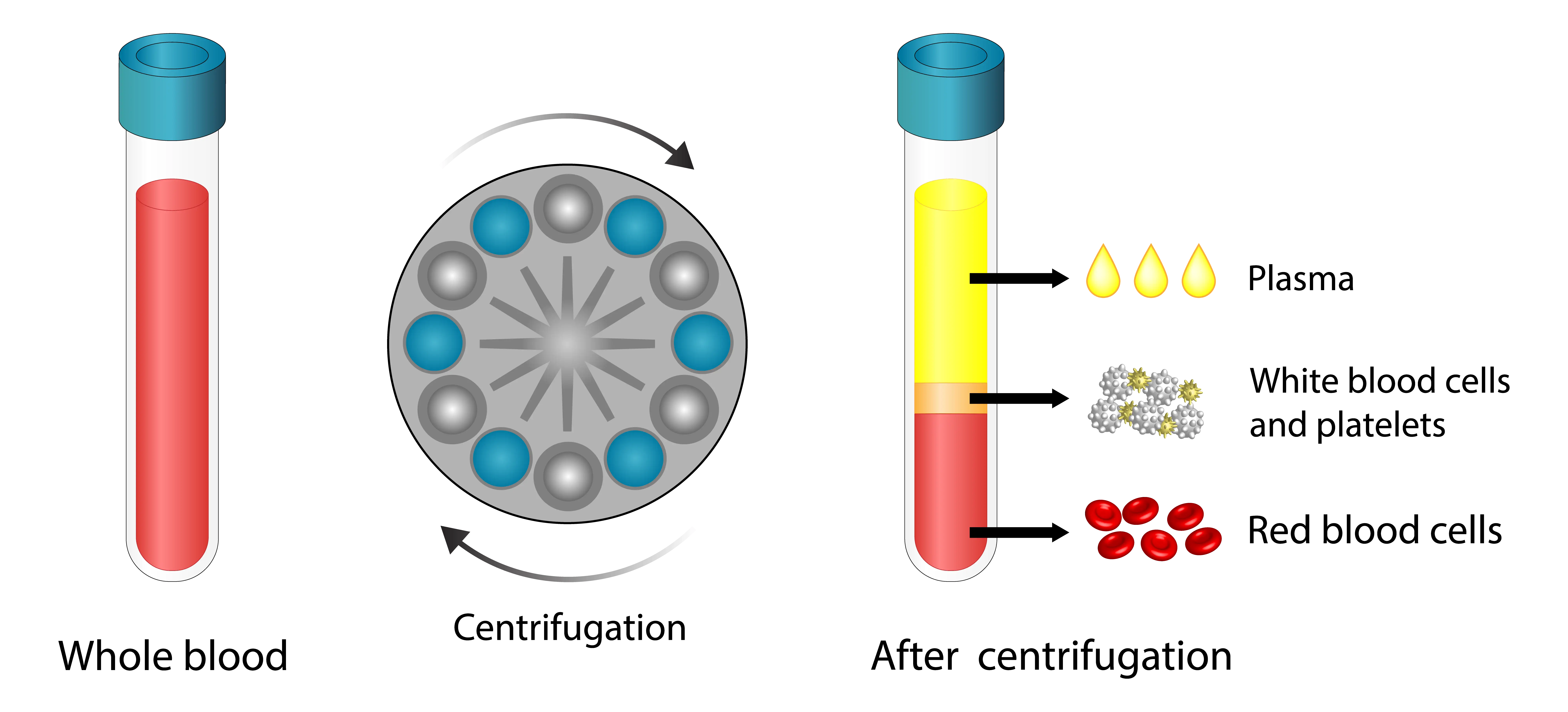
PRP is created by drawing a small amount of the patient’s blood, similar to a routine blood test. This blood is then placed in a centrifuge, a device that spins at high speed to separate its components. The process isolates the platelets and concentrates them in a small volume of plasma, resulting in a solution that has a much higher concentration of growth factors than normal blood. For tennis elbow, the goal of PRP is to accelerate healing and promote new tissue development by delivering these growth factors directly to the area.
Why Not a Steroid Injection?
Historically, a steroid injection into the elbow was part of the initial treatment for tennis elbow. However, long-term studies have repeatedly shown that the steroid injection is not beneficial at the 1-year mark and many times the tendon is actually shown to have increased injury compared to patients who did not receive the injection.
Specifically, the injection often provides improvement in pain at 6 weeks, however the symptoms relapse in terms of the return of the pain and a decrease in the function and grip strength of the patients who received the steroid injection compared to those who did not. This data has been reproduced in multiple studies. Thus, we no longer recommend a steroid injection as part of the treatment for lateral epicondylitis.
The PRP Procedure for Tennis Elbow
The PRP injection procedure is typically performed in an outpatient setting and involves several key steps:
- Blood Draw: A small amount of blood is drawn from the patient’s arm, similar to a standard blood test.
- PRP Preparation: The drawn blood is then placed into a specialized centrifuge. This machine spins the blood at a high speed, separating the red blood cells and white blood cells from the plasma and platelets. The concentrated platelet-rich plasma is then carefully extracted.
- Injection: The prepared PRP solution is then injected directly into the affected area. To ensure precise placement and maximize effectiveness, ultrasound guidance may be used.
The entire procedure usually takes about an hour. Patients may experience some mild discomfort during the injection.
Recovery and Rehabilitation After PRP
While PRP stimulates healing, the body needs time and proper support to rebuild the damaged tissue. A typical recovery protocol involves the following steps:
- Initial Rest: Immediately after the injection, it is common to experience some soreness, swelling, or bruising at the injection site. Patients are usually advised to rest the arm and avoid strenuous activities. Ice may be applied intermittently, but NSAIDs are generally avoided as they can interfere with the inflammatory process that PRP aims to initiate.
- Activity Modification: Gradual return to light daily activities may be encouraged, but heavy lifting, gripping, and repetitive arm movements should generally still be avoided. The focus is on protecting the healing tendon while preventing stiffness.
- Physical Therapy: A structured physical therapy program is often important to the recovery process. This typically begins with gentle range-of-motion exercises, progressing to strengthening, and eventually sport-specific or work-specific drills. The physical therapist will guide the patient through exercises designed to restore strength, flexibility, and endurance to the forearm and elbow, while also teaching proper biomechanics.
It is important to note that the healing process is gradual, and improvement may not be felt immediately. Most patients begin to notice less pain and better function within a few weeks or months. Improvement often continues for six months or longer.
Summary
Tennis elbow is a common tendon injury caused by repetitive strain, often resulting in pain, weakness, and reduced function. While rest, therapy, and medications can help many patients, PRP therapy offers a possible regenerative alternative for those with lingering symptoms. By concentrating and injecting the body’s own platelets, PRP stimulates healing at the tendon level, with studies showing promising outcomes for pain reduction and improved function. Recovery can be gradual and involves activity modification and physical therapy, but many patients experience meaningful, long-lasting relief over time.
Frequently Asked Questions
Is PRP therapy painful?
During the blood draw, you will feel a sensation similar to a standard blood test. Some patients report a feeling of pressure or mild pain during the injection. Post-procedure, it’s common to experience some soreness or aching for a few days, which can generally be managed with over-the-counter pain relievers (excluding NSAIDs) and ice.
How many PRP injections will I need?
The number of injections can vary depending on the severity of your condition and your individual response to treatment. Some patients achieve relief with a single injection. However, in other cases, a second or third injection may be recommended a few weeks or months after. Your doctor will discuss the appropriate treatment plan for your specific situation.
How long does it take to see results from PRP?
PRP therapy works by stimulating your body’s natural healing processes, which take time. Improvement in pain and function typically becomes noticeable several weeks to a few months after the injection. The healing process may continue for up to six months or even longer, with gradual and sustained improvement.
Can I return to sports or work activities after PRP?
Immediately after the injection, rest and activity modification are often necessary. A structured physical therapy program will then guide you through progressive exercises to regain strength and function. The timeline for returning to full sports or work activities depends on your healing progress and activity demands. It typically ranges from a few weeks for light activities to several months for strenuous ones.
