
Shoulder Disorders San Diego, CA
(858) 824-1703
San Diego, CA
Carlsbad, CA
Monday - Thursday | 7:30 am - 5:00 pm
Friday | 7:30 am - 2:00 pm
Specialties

Discover More Posts
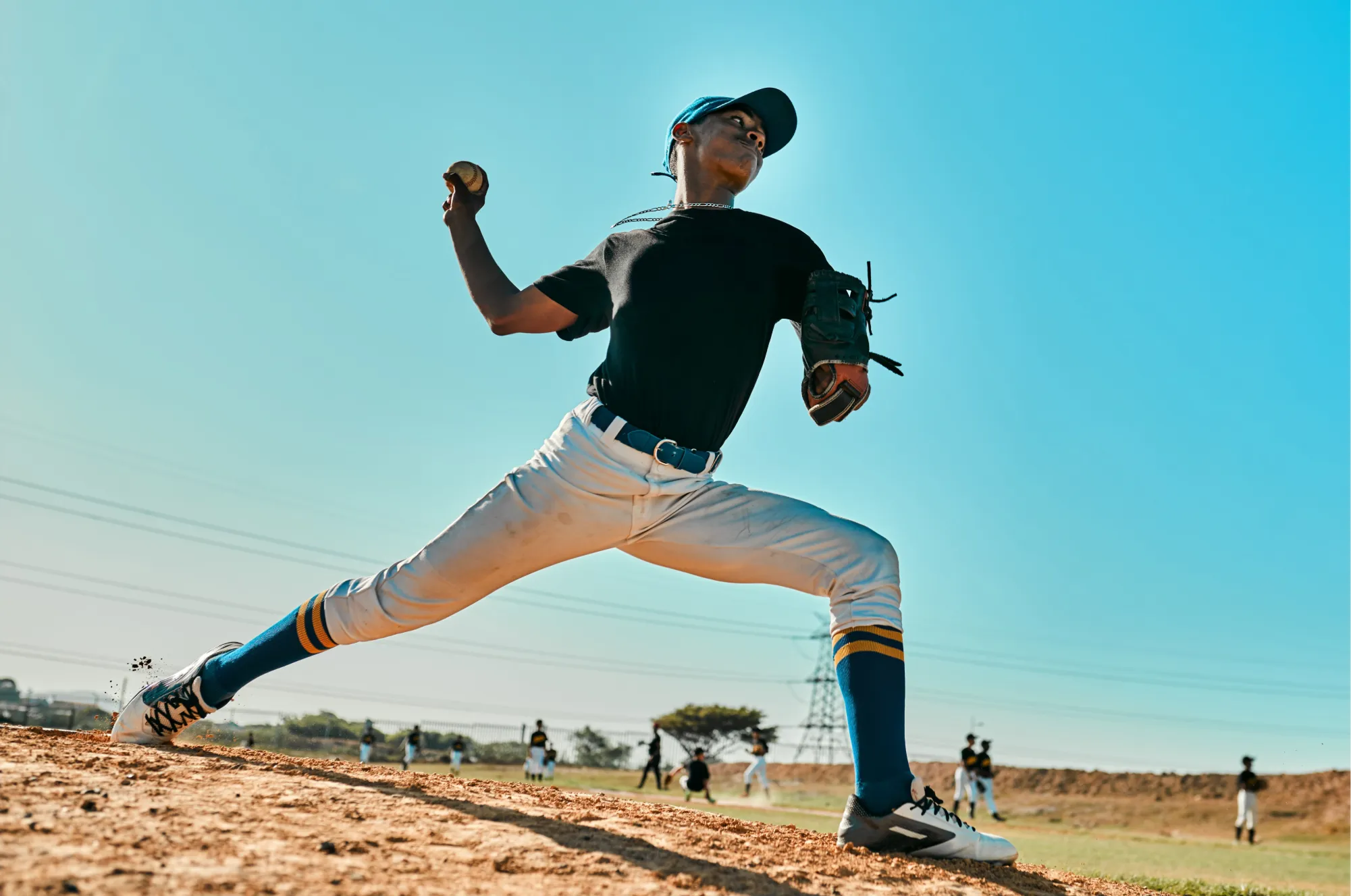
The shoulder is the most mobile joint in the body, allowing us to reach, lift, throw, and perform countless daily tasks. This freedom of movement is possible because of a unique combination of bones, muscles, tendons, and ligaments working in harmony. At the same time, this complexity makes the shoulder prone to injuries and degenerative changes that can interfere with work, recreation, and quality of life.
James Andry, MD, a fellowship-trained and board-certified orthopedic surgeon serving patients in San Diego, provides advanced evaluation and treatment for a wide range of shoulder conditions. His expertise includes minimally invasive arthroscopy, complex reconstruction, and shoulder replacement. Whether through non-surgical care or surgery, Dr. Andry works closely with patients to restore comfort and function.
Shoulder Anatomy
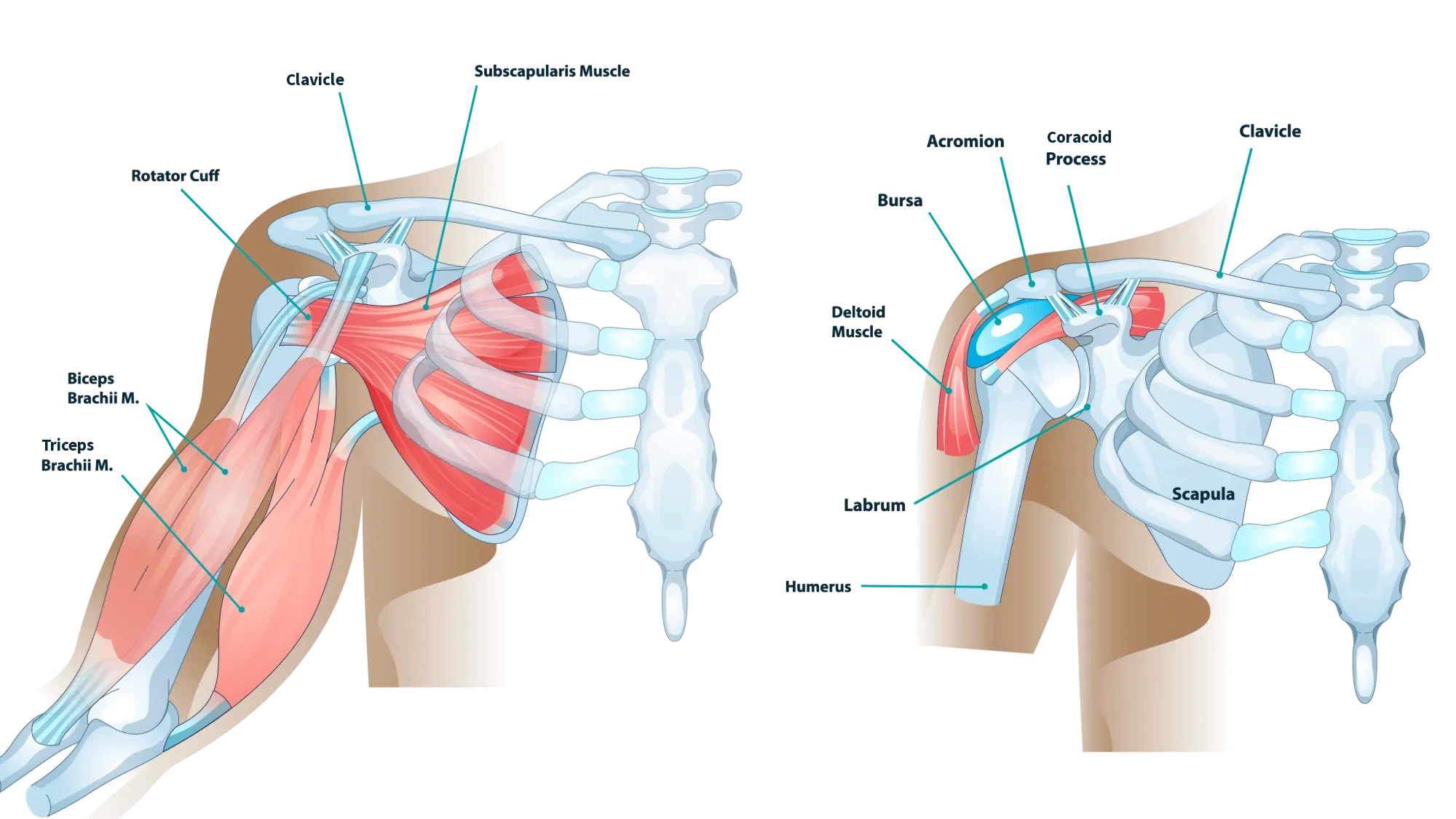
The shoulder is one of the most complex structures in the human body. At the center is the ball-and-socket joint where the head of the upper arm bone, called the humerus, fits into a shallow socket on the shoulder blade known as the glenoid. This design allows for unmatched mobility, but because the socket is relatively shallow, stability depends on the surrounding soft tissues.
A rim of cartilage called the labrum deepens the socket and acts as a cushion. Surrounding the joint is a group of four muscles and tendons known as the rotator cuff. These structures not only lift and rotate the arm but also hold the ball of the humerus firmly in place. Ligaments and the joint capsule further reinforce the joint, while small fluid-filled sacs called bursae reduce friction as tendons glide beneath bone. The long head of the biceps tendon also travels through the joint and attaches to the top of the labrum, playing an important role in shoulder function.
Another essential part of shoulder motion comes from the coordination between the shoulder blade and the upper arm. As the arm is raised, the scapula rotates and tilts in harmony, a motion known as scapulohumeral rhythm. When this coordination is disrupted by weakness, stiffness, or injury, patients may experience pinching, pain, or loss of movement.
Because so many structures must work together, even a minor injury can have a major impact. This complexity is why shoulder disorders range widely, from mild tendon inflammation to severe arthritis or instability that requires reconstruction.
Common Shoulder Disorders
Rotator Cuff Tears
Rotator cuff tears involve damage to one or more of the tendons that stabilize the shoulder. They may develop gradually from overuse or suddenly from trauma such as a fall. Common symptoms include shoulder pain that worsens at night, weakness when lifting the arm, difficulty performing overhead tasks, and sometimes a popping or catching sensation.
Treatment for small tears may include activity modification, physical therapy, medications, and injections. When symptoms persist or the tear is larger, arthroscopic rotator cuff repair may be recommended. Recovery after surgery is carefully structured, beginning with protection of the repair, followed by gradual restoration of motion, and finally strengthening.
Shoulder Instability and Labral Tears
Shoulder instability occurs when the ball of the humerus slips out of the socket, either partially or fully. This can result from a traumatic dislocation or from repetitive stress in athletes and overhead workers. Patients often describe a feeling that the shoulder is loose, slipping, or catching, particularly during reaching or throwing. Labral tears, which affect the cartilage rim that helps stabilize the socket, are frequently associated with instability.
Initial management may include therapy to strengthen the supporting muscles and avoiding activities that trigger instability. For patients with recurrent dislocations or significant labral injury, arthroscopic surgery may be recommended to restore stability. Rehabilitation after surgery emphasizes regaining control, strength, and mobility before safely returning to full activity.
Shoulder Impingement and Biceps Tendon Disorders
Shoulder impingement happens when the rotator cuff tendons are pinched beneath the acromion during overhead movements. Patients often notice pain when lifting the arm, reaching behind the back, or lying on the affected side at night. In many cases, irritation of the long head of the biceps tendon contributes to pain in the front of the shoulder, sometimes accompanied by weakness or tenderness.
Treatment typically begins with therapy to improve posture and scapular mechanics, along with medications or injections to reduce inflammation. If symptoms persist, arthroscopic procedures such as acromioplasty or biceps tenodesis can be performed to relieve the pressure and restore function. Recovery emphasizes pain-free motion, gradual strengthening, and safe return to activity.
Osteoarthritis of the Shoulder
Osteoarthritis develops as the smooth cartilage covering the ball and socket of the shoulder gradually wears away. Patients often experience stiffness, grinding or popping sensations, and deep aching pain that worsens with activity. Over time, arthritis can severely limit range of motion, making it difficult to perform everyday tasks such as reaching overhead or lifting objects.
Early treatment options include physical therapy, anti-inflammatory medications, and injections. When these measures are no longer effective, surgical options such as shoulder replacement may be considered. Total shoulder arthroplasty replaces the damaged joint surfaces with artificial implants designed to restore smoother motion and reduce pain.
Adhesive Capsulitis (Frozen Shoulder)
Frozen shoulder is a condition marked by stiffness and pain that develops gradually and can last for months. It often arises without a clear injury but may follow trauma or surgery. The condition typically progresses through three stages: freezing, where pain increases and motion decreases; frozen, where stiffness is most severe; and thawing, when motion slowly improves. Many patients struggle with daily activities such as dressing, reaching, or fastening a seatbelt.
Treatment typically begins with therapy, medications, and injections to manage pain and maintain mobility. If symptoms persist or motion remains severely limited, procedures such as manipulation under anesthesia or arthroscopic capsular release may be recommended. Rehabilitation afterward is essential to help restore range of motion and function.
Total Shoulder Replacement
Total shoulder replacement may be recommended for patients with advanced arthritis who no longer respond to non-surgical care. The procedure replaces the damaged ball and socket with artificial implants designed to restore smoother motion. Rehabilitation often begins with gentle stretching and gradually progresses to strengthening as the joint heals.
Reverse Total Shoulder Replacement
Reverse shoulder replacement may be recommended for patients with arthritis and severe rotator cuff damage. By reversing the orientation of the ball and socket, the surgery allows the deltoid muscle to take over much of the lifting function. This approach aims to reduce pain and restore meaningful motion when a traditional replacement is not an option.
Treatment & Recovery
Treatment for shoulder disorders is always individualized. Many patients improve with therapy, medications, and injections, while others may require surgery. Dr. Andry uses advanced arthroscopic and reconstructive techniques when surgery is needed.
Recovery is a gradual process that combines surgical expertise with structured therapy. Rehabilitation aims to help restore motion, rebuild strength, and prepare patients to safely return to daily activities or sports.
Shoulder disorders can significantly affect comfort and function, but with accurate diagnosis and the right treatment, many patients are able to return to the activities they value most.
Dr. Andry combines fellowship training, board certification, and extensive surgical experience with a patient-centered approach. Whether through conservative care, minimally invasive arthroscopy, or advanced reconstruction, his goal is focused on helping patients in San Diego move forward with less pain and greater confidence.