
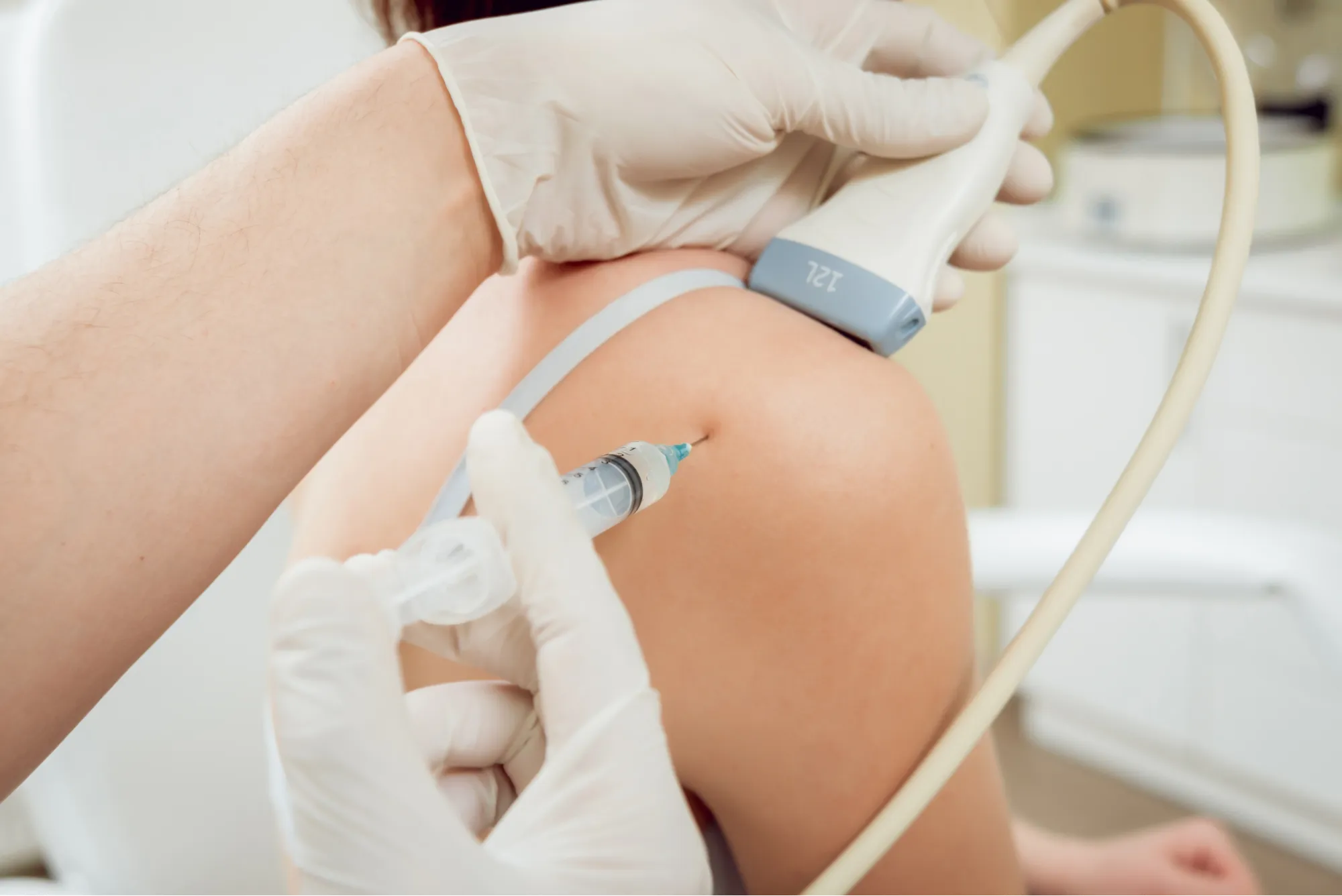

Platelet-rich plasma (PRP) therapy has generated a lot of interest as a possible regenerative option for managing arthritis symptoms. Many patients ask me whether it’s worth pursuing, and the honest answer is: it depends. PRP isn’t a one-size-fits-all solution, but for the right patient, it may offer meaningful improvement. In this post, I want to walk you through what PRP is, how it may help with arthritis, what the current evidence actually suggests, and what the overall process typically looks like from start to finish.
Key Takeaways
- PRP therapy uses a concentrated solution of the patient’s own platelets to deliver growth factors that may help reduce inflammation and support tissue repair inside an arthritic joint.
- Research on PRP for arthritis is promising, especially for mild to moderate osteoarthritis, though outcomes can vary based on the individual and the severity of joint damage.
- The procedure is typically done in an outpatient setting: a small blood draw, centrifuge processing, and a guided injection into the affected joint, usually completed in about an hour.
Arthritis: An Overview
To understand why PRP has attracted so much attention, it helps to know what’s actually happening inside an arthritic joint. Arthritis involves the breakdown of cartilage, the smooth, rubbery tissue that cushions the ends of your bones. As that cartilage wears down, bones can begin to rub against each other. The result is pain, stiffness, swelling, and a progressive loss of range of motion.
Osteoarthritis is the most common form, and it tends to develop gradually over time, sometimes related to age, prior injury, or years of repetitive activity. Rheumatoid arthritis, another common type, is an autoimmune condition in which the body’s own immune system mistakenly attacks the joint lining, leading to inflammation and eventual cartilage damage. Post-traumatic arthritis is also relatively common, developing years after a fracture or dislocation has disrupted the normal joint surface.
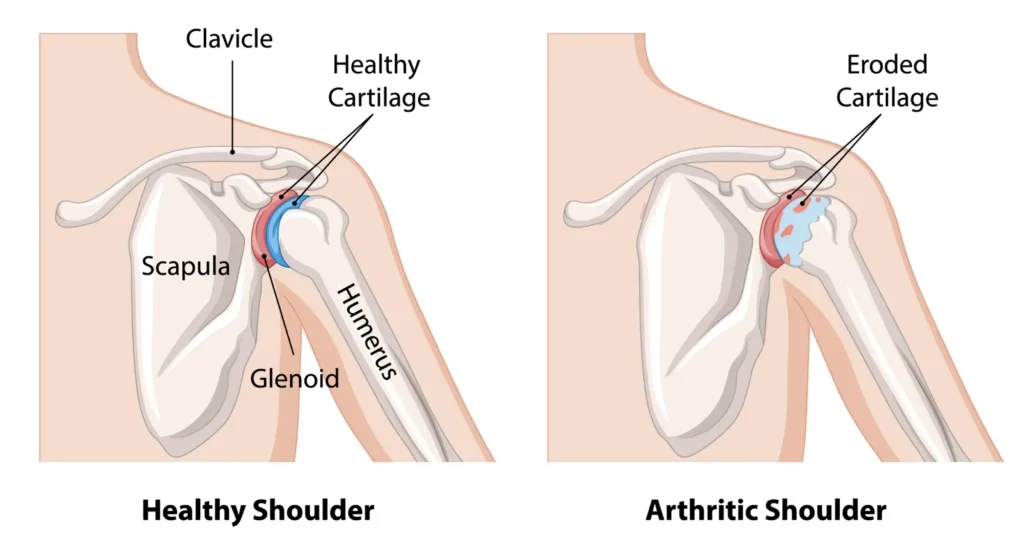
Here’s the frustrating part: cartilage has a very limited ability to repair itself. Unlike skin or muscle, cartilage doesn’t have its own blood supply. That means the body’s natural healing response is significantly slower and less effective in this tissue. Traditional treatments like NSAIDs or corticosteroid injections may ease symptoms, but they generally don’t address the underlying structural damage.
This is precisely why regenerative treatments like PRP have become a compelling area of interest in orthopedic medicine. Rather than simply numbing the pain, the goal is to encourage the body to heal from within.
What Is PRP, and How Might It Help?
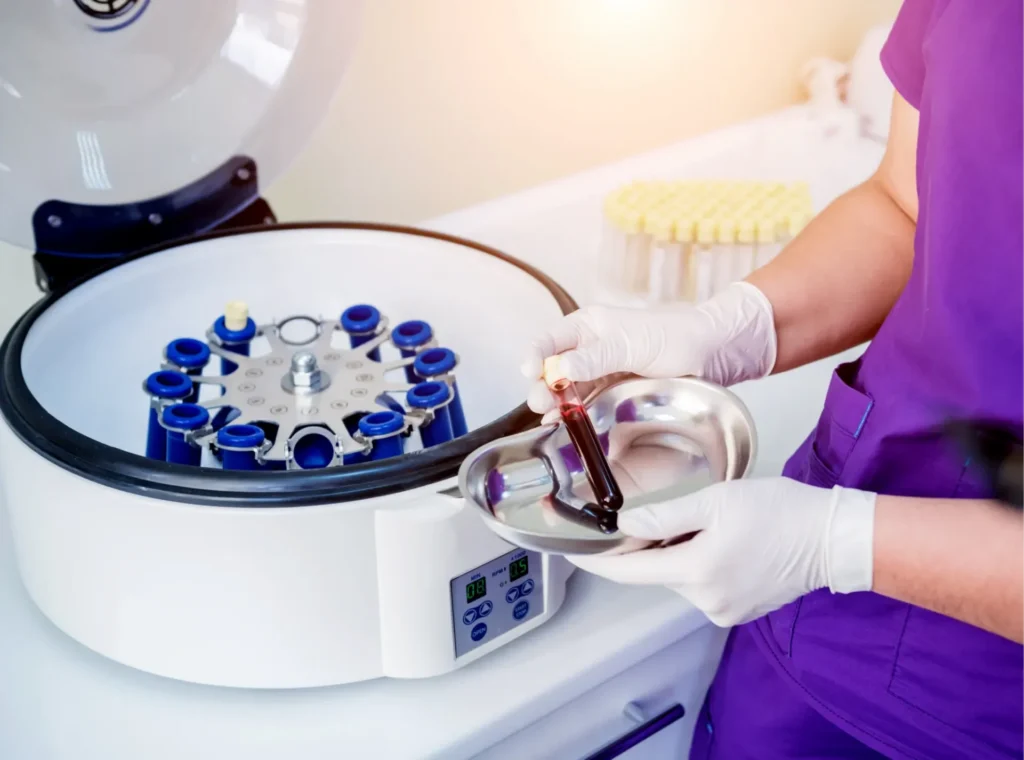
Platelet-rich plasma is derived from your own blood. The process begins with a blood draw, similar to what you’d have at a routine lab visit. That blood is then placed into a centrifuge, a machine that spins at high speed to separate its components. The outcome is a small but highly concentrated solution of platelets and growth factors: the proteins that play a central role in tissue repair and regeneration.
When this concentrated PRP is injected directly into an arthritic joint, those growth factors go to work. They may help reduce inflammation within the joint space and support the health of the remaining cartilage.
Because PRP comes from your own blood, the risk of allergic reactions or rejection is generally very low. That makes it an appealing option compared to treatments that introduce foreign substances into the body. Working with an experienced PRP specialist who uses a consistent, evidence-based approach to PRP preparation and delivery can make a meaningful difference in results.
Who Might Be a Good Candidate?
Not every patient with arthritis will be the right fit for PRP. Based on research and my experience, PRP for arthritis tends to show the most benefit in patients who meet several key criteria:
- The arthritis is mild to moderate in severity, meaning there’s still enough healthy cartilage tissue present to respond to the growth factors
- Conservative treatments like physical therapy and anti-inflammatory medications haven’t provided lasting relief
- The patient wants to explore regenerative options before considering surgery
- There are no underlying blood conditions or medications that might significantly impair platelet function
On the other hand, patients with severe, end-stage arthritis may not experience as much benefit from PRP. At that stage, a more definitive surgical option such as shoulder replacement may ultimately provide better and longer-lasting relief. It’s also worth having an open conversation with your doctor about any blood thinners or other medications you may be taking, as some can affect platelet function and may need to be temporarily paused before the procedure. A thorough orthopedic evaluation is the best way to determine which path makes the most sense for your situation.
What to Expect During the Procedure
The PRP procedure is typically straightforward and is performed in an outpatient setting. You won’t need general anesthesia. Here’s a general overview of how the process typically unfolds:
- Blood Draw: A small amount of blood is drawn from your arm, generally similar in volume to a standard lab draw. The amount collected may vary depending on the system used.
- Processing: The blood is placed in a centrifuge and spun at high speed to separate the platelet-rich plasma from red blood cells and other components.
- Injection: The concentrated PRP is injected directly into the affected joint. Ultrasound guidance is often used to help ensure precise, accurate placement.
The full appointment typically takes around an hour from start to finish. Some patients feel mild pressure or a brief ache during the injection, but most describe it as very tolerable.
Recovery and What to Expect Afterward
After a PRP injection for arthritis, it’s fairly common to notice some temporary soreness, warmth, or mild swelling around the joint for a few days. This is actually part of the process; PRP intentionally triggers an inflammatory response that aims to kick the healing mechanisms into gear. It should settle on its own relatively quickly.
During the initial recovery phase, I generally advise patients to rest the joint and avoid strenuous lifting or repetitive loading for the first several days. It’s also important to avoid NSAIDs like ibuprofen or naproxen for at least a week before and after the procedure. These medications may interfere with the inflammatory response that PRP depends on. Ice may be used for comfort, but shouldn’t be applied aggressively in a way that suppresses the healing process.
Some patients begin noticing improvements in pain and mobility within a few weeks, though the full benefit of PRP may take several months to develop. That’s because PRP works by stimulating your body’s own biology, and that takes time. Some patients may benefit from a second injection, depending on how they respond and how advanced their arthritis is. Your orthopedic specialist will help guide that decision.
Physical therapy following the injection may also be beneficial. Gentle strengthening and range-of-motion exercises may help support the healing joint, improve overall function, and extend the duration of the results. Your physical therapist can help guide you through a progressive program tailored to your specific joint and activity level.
One thing I always tell patients: manage your expectations realistically. PRP is not a quick fix. The improvements tend to build gradually over weeks and months. Patients who approach recovery with patience and consistency with their rehab tend to see the best outcomes. The goal is to give your body the tools it needs to do the hard work and then give it the time to actually do it.
Summary
PRP for arthritis is a regenerative approach that uses your own biology to support healing and reduce joint inflammation. While the research continues to evolve, current evidence suggests that PRP may be a valuable option for patients with mild to moderate arthritis, particularly those who haven’t found lasting relief through more conventional treatments. Results vary by individual, and PRP works best as part of a comprehensive, personalized treatment plan developed with an experienced orthopedic specialist who understands the specific demands of shoulder and elbow conditions. If you’re curious about whether PRP might be right for you, I’d encourage you to schedule a consultation to discuss your symptoms, imaging findings, and overall treatment goals in depth.
Frequently Asked Questions
How long do the effects of PRP tend to last?
Results can vary significantly from patient to patient. Many individuals report meaningful relief for six months to over a year following a single PRP injection. Because PRP aims to support the body’s natural healing process, the effects may continue to build over time. Some patients benefit from a repeat injection to help sustain or extend their results, and your orthopedic specialist can help you determine the right timing based on your response.
Can PRP reverse arthritis or rebuild cartilage?
PRP is not a cure for arthritis, and it may not reverse the cartilage damage that has already occurred. However, some research suggests it may help slow further degeneration, reduce joint inflammation, and support the health of the remaining cartilage.
Is PRP safe?
Because PRP uses your own blood, the risk of allergic reactions or rejection is generally very low. Mild side effects such as temporary soreness, swelling, or bruising at the injection site are possible but typically short-lived. As always, it’s important to discuss your full medical history and any current medications with your doctor to make sure PRP is appropriate for you.
Can PRP be used for both shoulder and elbow arthritis?
Yes, PRP may be considered for arthritis in both the shoulder and elbow. An evaluation with an orthopedic specialist who focuses on shoulder and elbow conditions can help determine whether PRP may be a suitable fit for your specific situation.
