
Sports Medicine San Diego, CA
(858) 824-1703
San Diego, CA
Carlsbad, CA
Monday - Thursday | 7:30 am - 5:00 pm
Friday | 7:30 am - 2:00 pm
Specialties
Discover More Posts
Sports and physical activity are an important part of a healthy lifestyle, but they also place high demands on the body. From overhead throwing and contact sports to endurance training and recreational exercise, athletes of all levels can experience injuries that affect their performance and daily life. These injuries often involve the shoulder or elbow, where mobility, strength, and stability must work together for optimal function.
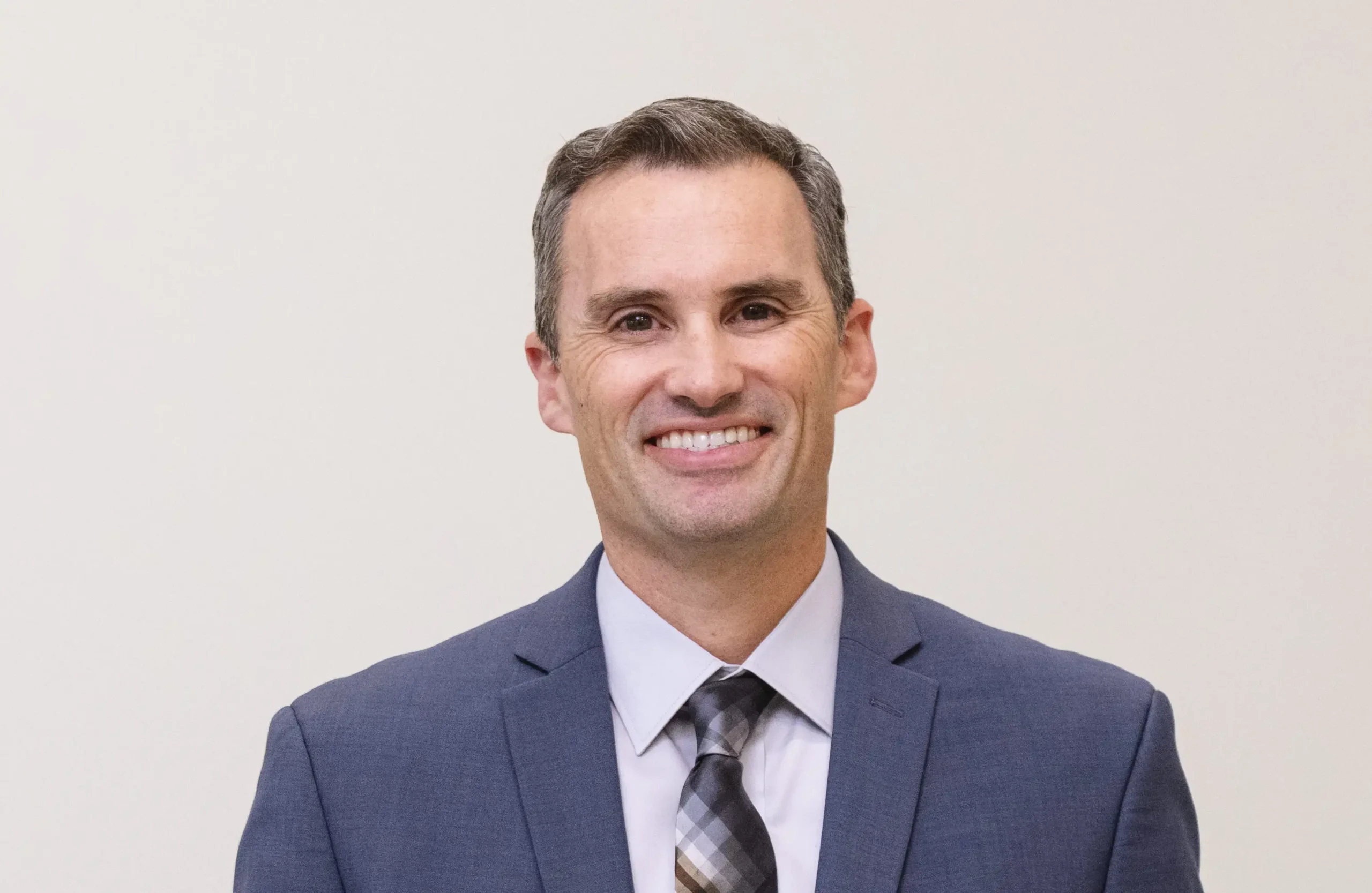
James Andry, MD, is a fellowship-trained and board-certified orthopedic surgeon in San Diego who specializes in sports medicine. He provides comprehensive care for athletes, offering non-surgical treatment, advanced arthroscopic procedures, and structured rehabilitation. His goal is to help patients return to their sport and activities safely and effectively.
Sports Medicine and the Shoulder
The shoulder is one of the most commonly injured joints in athletes. Its wide range of motion makes it essential for overhead movements such as throwing, swimming, or serving in tennis, but this same mobility makes it vulnerable to instability, tears, and overuse problems. Shoulder pain and weakness can limit performance, reduce accuracy or strength, and even make daily activities uncomfortable.
Rotator Cuff Tears (Arthroscopic Rotator Cuff Repair)
Rotator cuff tears are common in both competitive athletes and active individuals. They may result from repetitive overhead use, such as pitching or swimming, or from acute injuries like a fall. Symptoms include pain at night, weakness when lifting or rotating the arm, and difficulty with overhead activities. In athletes, rotator cuff injuries may reduce throwing velocity or endurance.
Non-surgical treatment such as therapy, rest, and medications may be effective for partial tears, but complete or persistent tears often require surgical repair. Arthroscopic rotator cuff repair uses small incisions and a camera to reattach torn tendons. Recovery is structured, beginning with rest and gentle stretching before progressing to strengthening and sport-specific training.
Shoulder Instability and Labral Injuries
Shoulder instability is a frequent problem in athletes, especially those in throwing or contact sports. Instability can occur when the ball of the humerus slips out of the socket, either partially or completely. This can lead to repeated dislocations, pain, and a feeling that the shoulder may “give way.” Labral injuries, such as SLAP tears, are often involved and cause deep shoulder pain, catching, or clicking.
Initial treatment may include therapy to strengthen stabilizing muscles and avoiding high-risk activities. If instability persists, arthroscopic stabilization may be performed. This procedure repairs the labrum and tightens the capsule, aiming to restore stability. Recovery typically focuses on regaining control and strength before progressing to sport-specific drills.
Impingement and Overuse Syndromes
Athletes who rely on repetitive overhead motion, such as swimmers, volleyball players, and pitchers, are at risk for impingement. This condition develops when the rotator cuff tendons are pinched beneath the acromion, causing pain when lifting the arm and often disturbing sleep. Overuse syndromes may also affect the biceps tendon, producing pain at the front of the shoulder.
Conservative care usually includes therapy, anti-inflammatory medications, and injections. If symptoms do not improve, arthroscopic procedures such as decompression or biceps tenodesis may be considered. Recovery then focuses on restoring smooth shoulder mechanics and rebuilding strength.
Sports Medicine and the Elbow
The elbow is another joint commonly affected by sports injuries, particularly in throwing athletes and those involved in racquet or weightlifting activities. The repetitive stresses placed on the elbow can strain ligaments, tendons, and cartilage, leading to pain and performance limitations.
Ulnar Collateral Ligament (UCL) Injuries
The UCL is a key stabilizer of the elbow, especially during throwing. Injuries here are common in baseball pitchers and other athletes who use repetitive overhead motions. Symptoms include inner elbow pain, decreased velocity or accuracy, and sometimes a sensation of looseness.
Mild injuries may be treated with rest, bracing, and therapy. When the ligament is completely torn, surgical reconstruction, commonly known as Tommy John surgery, may be recommended. Recovery often takes several months and requires structured rehabilitation before return to competition.
Tennis Elbow and Golfer’s Elbow
Overuse tendon conditions, known as lateral epicondylitis (tennis elbow) and medial epicondylitis (golfer’s elbow), are frequent in both athletes and active individuals. Tennis elbow causes pain on the outside of the elbow, while golfer’s elbow affects the inside. Both conditions may cause weakness and difficulty gripping or lifting.
Non-surgical care includes rest, therapy, and bracing. When symptoms persist, surgical release or debridement may be performed. Recovery emphasizes restoring strength and allowing athletes to gradually return to their sport.
Elbow Fractures and Dislocations
High-impact sports or falls may result in elbow fractures or dislocations. Symptoms include immediate pain, swelling, bruising, and loss of motion. Because of the complexity of the joint, these injuries often involve both bones and ligaments.
Treatment depends on the injury pattern. Some cases may be treated with immobilization, while others require surgical fixation. Rehabilitation afterward is important to help restore motion and prevent stiffness, which is a common complication.
Treatment & Recovery
Treatment in sports medicine typically begins with a focus on non-surgical care such as rest, physical therapy, bracing, and medications. When surgery is necessary, Dr. Andry uses advanced arthroscopic and minimally invasive techniques to reduce recovery time and allow patients to return to their activities.
Recovery is a gradual process that requires a carefully structured rehabilitation program. Athletes progress from pain control and early mobility to strengthening and sport-specific training. The goal is not only to heal the injury but also to reduce the risk of re-injury by addressing strength, flexibility, and mechanics.
Dr. Andry brings fellowship training and board certification to the care of athletes and active patients. He specializes in arthroscopic shoulder repair and reconstruction, ligament surgery, fracture fixation, and tendon repair. His patient-centered approach emphasizes communication, individualized planning, and close coordination with physical therapists to support a safe return to activity.
Sports injuries to the shoulder and elbow can affect athletes at every level. With accurate diagnosis, advanced treatment, and structured rehabilitation, many patients can return to their sport stronger and more confident. Dr. Andry is dedicated to helping patients in San Diego overcome sports-related injuries and return to the activities that matter most.