

If you’re experiencing pain on the outer part of your elbow and weakness in your grip, you may be dealing with tennis elbow, also known as lateral epicondylitis. In this post, we’ll outline the key symptoms, how it is diagnosed, and available treatment and prevention strategies.
Key Takeaways
- Common symptoms of tennis elbow include pain and tenderness in the outer elbow, forearm discomfort, and reduced grip strength.
- Diagnosis typically involves a physical examination, imaging tests, and grip strength assessments.
- Preventive measures such as maintaining proper technique, taking regular breaks, and performing strengthening exercises can help reduce the risk of developing tennis elbow.
Recognizing Tennis Elbow Symptoms
Identification of tennis elbow symptoms is important for effective management. The condition often causes pain around the outer elbow that may extend to the forearm and intensify with certain activities.
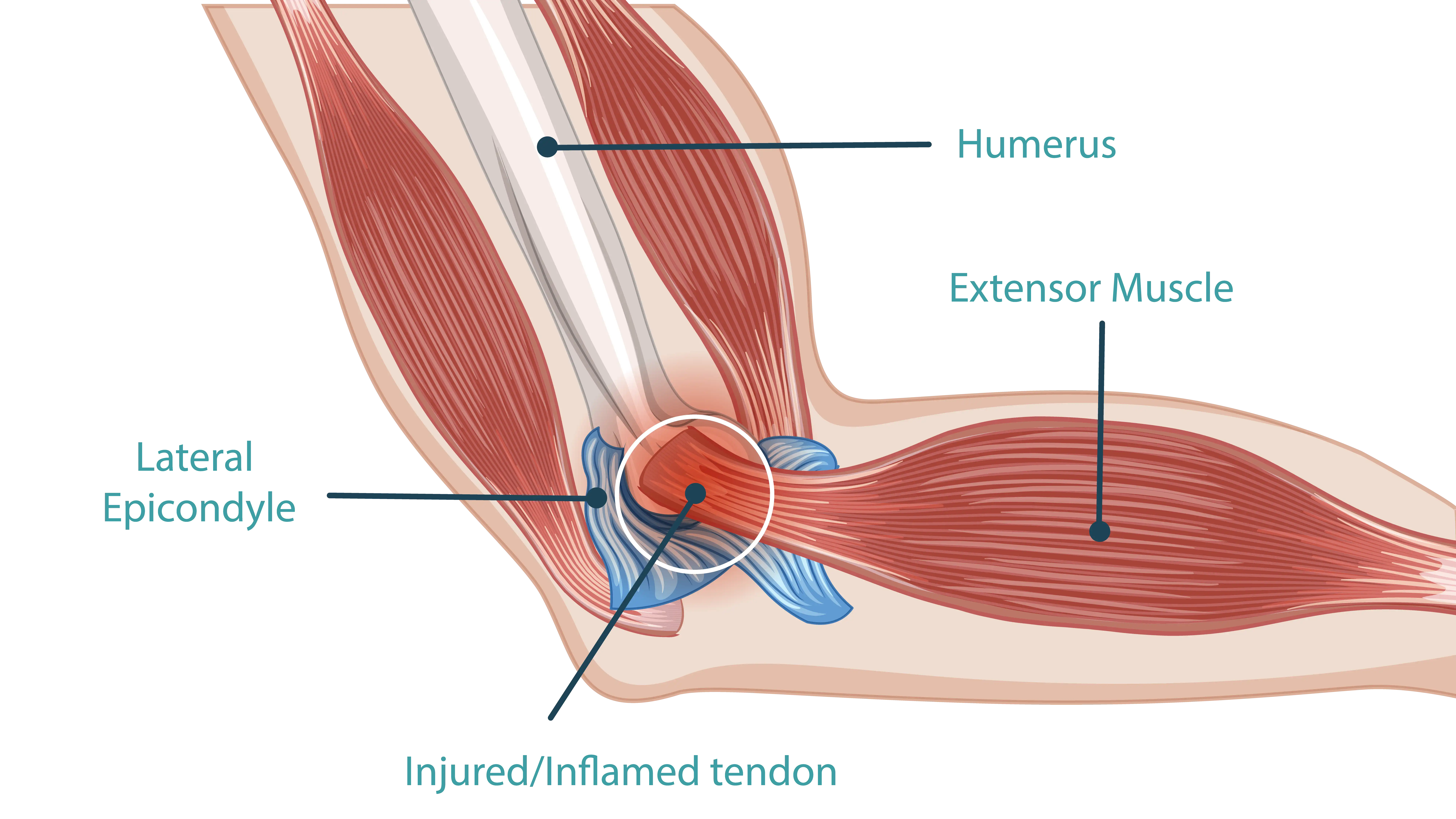
This discomfort can make even basic tasks difficult due to spreading tenderness. Over time, grip strength may also weaken, complicating tasks that require a firm hold. In the following sections, we’ll take a closer look at these symptoms.
Pain in the Outer Elbow
The hallmark symptom of tennis elbow is pain localized to the outer part of the elbow. This pain can vary from a dull ache to sharp discomfort, often exacerbated by activities that involve gripping, twisting, or swinging motions. For instance, holding a racquet or using tools can increase the discomfort.
Forearm Discomfort
Pain from tennis elbow may radiate into the forearm due to the interconnected muscles and tendons in these areas. Simple actions like lifting objects, turning a doorknob, or shaking someone’s hand can become painful.
Weak Grip Strength
Weakened grip strength is another frequent symptom. Pain and weakness in the forearm can make it difficult to grip objects firmly, affecting daily activities such as carrying bags or opening jars.
Recognizing these symptoms can lead to earlier diagnosis and treatment.
Additional Symptoms of Tennis Elbow
Tennis elbow can present with additional symptoms that may not be immediately recognized as related to the condition. Wrist pain and weakness may occur alongside elbow and forearm pain due to the shared tendons and muscles between these areas.
Additionally, elbow joint stiffness can limit the range of motion. This stiffness often stems from overuse or tendon overload. Recognizing these signs can prompt early intervention and prevent the condition from worsening.
Causes of Tennis Elbow Symptoms
Understanding how tennis elbow is caused can help guide both treatment and prevention. Tennis elbow is often linked to repetitive forearm movements that strain the tendons connecting the forearm muscles to the outer elbow. Over time, this strain can cause microscopic tears and inflammation.
Several risk factors can increase the likelihood of developing tennis elbow. Tennis elbow is more prevalent among individuals whose professions require repetitive wrist and arm movements, such as carpenters, painters, and racquet sport players. The condition is also more common in the dominant arm, as it is used more frequently.
Diagnosing Tennis Elbow
Diagnosis typically starts with a physical examination and may include imaging tests and grip strength assessments. During a physical exam, your doctor may apply pressure to the elbow area to identify pain points and assess tenderness. Certain movements or resistance tests may be used to reproduce symptoms.
Imaging tests like X-rays and magnetic resonance imaging (MRI) can be helpful in diagnosing tennis elbow. X-rays can rule out fractures and bone-related issues that mimic tennis elbow symptoms, while MRI scans offer detailed images of soft tissues.
Grip strength tests may be used to assess the impact of tennis elbow on the arm. These tests compare grip strength in the affected arm to the unaffected side, helping gauge severity and impact.
Treatment Options for Tennis Elbow Symptoms
There are various treatment options available for tennis elbow, ranging from conservative treatments to surgical interventions. An elbow specialist can evaluate the condition and help guide the most appropriate treatment plan.
Non-Surgical Treatments
Non-surgical treatment is usually the first approach to treat tennis elbow. These may include the following strategies:
- Rest the affected arm to allow healing.
- Physical therapy with stretching and strengthening exercises. Your surgeon and physical therapist will provide a therapeutic exercise protocol.
- Nonsteroidal anti-inflammatory drugs (NSAIDs) such as ibuprofen to manage pain and swelling.
- Wear a brace or strap to help reduce stress on the tendon.
Surgical Interventions
Surgery may be considered if other treatments fail to improve the condition or the injury is severe. Arthroscopy is a minimally invasive procedure in which repairs are performed through tiny incisions. It may involve removing damaged tendon tissue to help alleviate pain and restore function. Recovery varies based on the extent of tendon damage and the surgical approach used.
Preventing Tennis Elbow Symptoms
Prevention strategies focus on reducing repetitive strain and building muscle resilience. Using proper technique, such as maintaining good form and keeping the elbow slightly bent during activity, helps limit tendon stress.
Incorporating regular breaks into activities that involve repeated motions gives the muscles and tendons time to recover, lowering the risk of overuse injuries.
Targeted strengthening exercises to improve grip, forearm strength, and flexibility can further protect the elbow. Choosing equipment that suits your hand size and skill level also helps minimize unnecessary strain.
Summary
Recognizing and understanding the symptoms of tennis elbow is key to early diagnosis and effective management. The primary symptoms include pain in the outer elbow, forearm discomfort, and weak grip strength. Additional symptoms such as wrist pain and stiffness can further complicate the condition.
Identifying symptoms early can help in seeking appropriate treatment and preventing further complications. Preventive measures such as using proper techniques, taking regular breaks, and performing strengthening exercises can help reduce the risk of developing tennis elbow.
Frequently Asked Questions
What are the main symptoms of tennis elbow?
The main symptoms of tennis elbow are pain and tenderness on the outer elbow, discomfort radiating to the forearm, and a weak grip, hindering tasks that require strength. Other possible symptoms include wrist pain and stiffness.
How is tennis elbow diagnosed?
Tennis elbow is typically diagnosed through a physical examination, imaging tests such as X-rays or MRIs, and grip strength assessments to evaluate the condition of the arm. This comprehensive approach helps ensure an accurate diagnosis.
What causes tennis elbow?
Tennis elbow is often caused by repetitive movements and overuse of the forearm muscles, sometimes due to activities like playing racquet sports.
What are the treatment options for tennis elbow?
Treatment options for tennis elbow consist of non-surgical methods like rest, physical therapy, and NSAIDs, with surgery considered if these approaches do not provide relief.
How can I prevent tennis elbow?
To help prevent tennis elbow, focus on using proper techniques in your activities, take regular breaks to minimize overuse, and incorporate strengthening exercises to enhance grip and technique. These proactive measures can lower your risk of developing this condition.
