


Rotator cuff surgery is a common procedure for individuals suffering from shoulder pain and dysfunction due to a rotator cuff injury. While the prospect of surgery can be daunting, understanding the recovery process helps with setting realistic expectations and achieving the best possible outcome. In this post, we’ll delve into what rotator cuff surgery entails, when it is typically recommended, and provide a detailed overview of the recovery journey and timelines.
Key Takeaways
- Rotator cuff surgery is a procedure to repair torn tendons in the shoulder, often performed arthroscopically.
- Full recovery can take around 6 months to a year, depending on tear severity, individual healing, and adherence to rehabilitation.
- The recovery process is often structured into phases: immobilization, passive motion, active motion, strengthening, and return to activity.
What is Rotator Cuff Surgery?
The rotator cuff is a group of four muscles and their tendons that surround the shoulder joint, providing stability and enabling a wide range of motion, including lifting and rotating the arm. These muscles are the supraspinatus, infraspinatus, teres minor, and subscapularis. They work together to keep the head of the humerus (upper arm bone) securely in the shallow socket of the shoulder blade (glenoid).
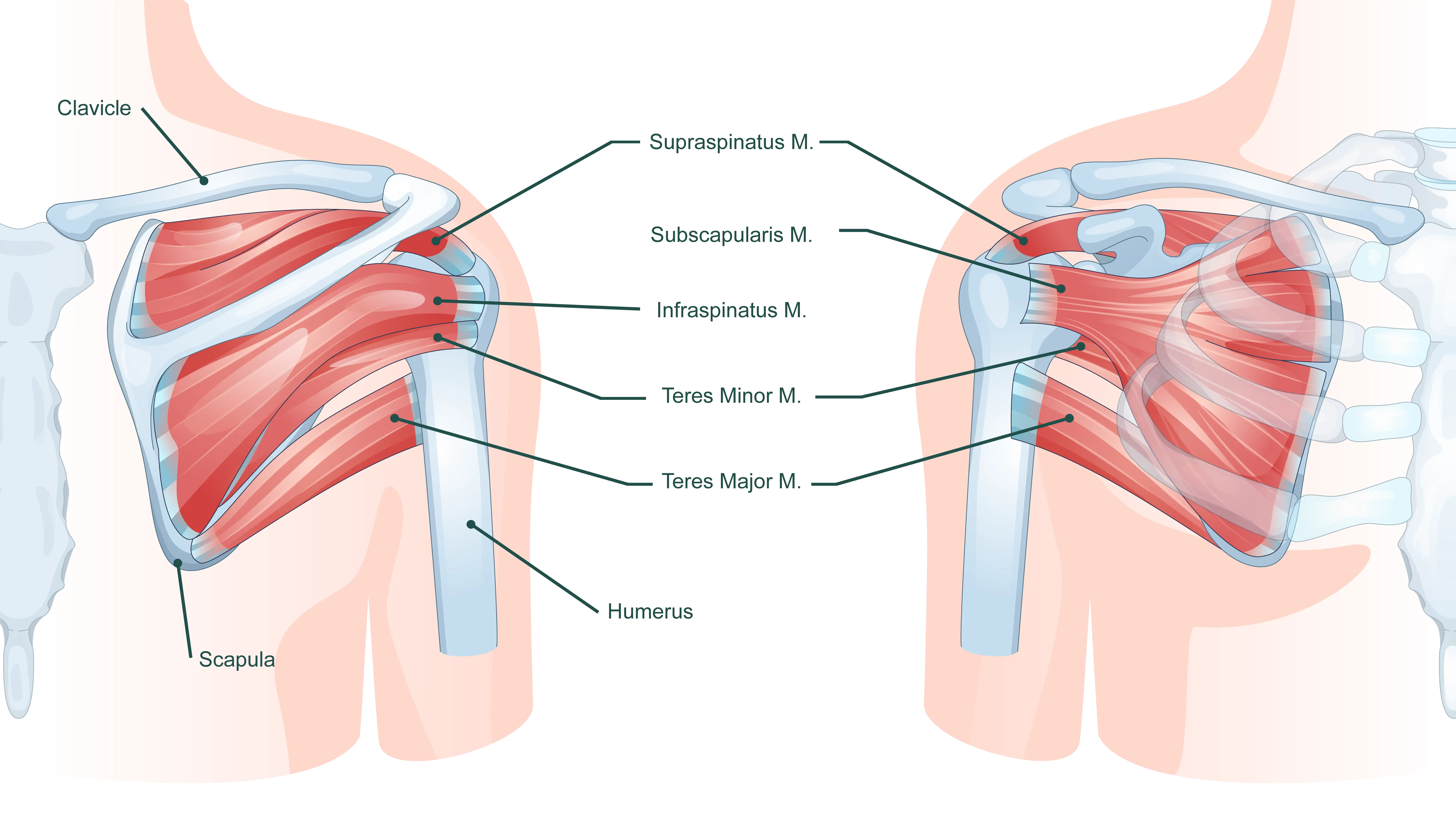
A rotator cuff tear occurs when one or more of these tendons are damaged, either partially or completely. This can happen due to acute injury, such as a fall, or through degenerative changes over time due to repetitive stress, aging, or bone spurs that impinge on the tendons. When a tear causes persistent pain, weakness, or limits daily activities, rotator cuff surgery may be recommended.
A common type of rotator cuff surgery performed today is arthroscopic repair. This minimally invasive technique involves making several small incisions around the shoulder joint. A tiny camera (arthroscope) is inserted through one incision, allowing the surgeon to view the inside of the joint on a monitor. Specialized instruments are then inserted through other small incisions to perform the repair.
When is Rotator Cuff Surgery Recommended?
To determine if rotator cuff surgery is a recommended option, an experienced orthopedic surgeon weighs various factors such as the severity of the tear, the patient’s age, activity level, overall health, and response to non-surgical interventions.
For many rotator cuff injuries, especially smaller tears or those caused by degeneration, initial treatment focuses on non-surgical methods. These often include:
- Rest and Activity Modification: Avoiding activities that aggravate the shoulder.
- Physical Therapy: A structured program to restore range of motion, strengthen surrounding muscles, and improve shoulder mechanics.
- Medications: Over-the-counter pain relievers, anti-inflammatory drugs, or prescription medications to manage pain and inflammation.
- Injections: Corticosteroid injections can provide temporary pain relief and reduce inflammation.
If, after several months of consistent conservative treatment, a patient continues to experience significant pain, weakness, or functional limitations that impact their quality of life, surgery may be recommended. Additionally, if the rotator cuff tear is severe or leads to substantially limiting symptoms, surgery may also become an option.
Ultimately, the decision for rotator cuff surgery is a shared one between the patient and their orthopedic surgeon, based on a comprehensive assessment and a clear understanding of the potential benefits and risks, as well as the commitment required for the post-operative rehabilitation.
The Recovery Process and Timeline for Rotator Cuff Surgery
Recovery from rotator cuff surgery is a gradual process designed to protect the healing tendon, restore motion, rebuild strength, and ultimately return the shoulder to optimal function.
While individual recovery times can vary based on factors such as the size and type of the tear, the surgical technique used, the patient’s age, overall health, and commitment to physical therapy, a general timeline and phased approach are commonly followed. Full recovery typically can take anywhere from 6 months to a year or longer.
Immobilization and Passive Motion
Immediately following surgery, the shoulder will typically be immobilized in a sling. This sling helps prevent any active movement of the arm that could jeopardize the repair site. During this phase, the focus is on pain management and initiating gentle, passive range of motion exercises.
- Pain Management: Post-operative pain is normal and may be managed with medications. Ice packs may also be effective in reducing swelling and discomfort.
- Sling Use: Patients should be instructed on how to properly wear and adjust the sling.
- Passive Range of Motion: For passive range of motion exercises, a physical therapist or a specialized device moves the patient’s arm without any effort from the patient’s own muscles. This helps prevent stiffness and scar tissue formation while ensuring the repaired tendon remains protected.
- Daily Activities: Patients will generally need assistance with many daily activities, such as dressing, bathing, and reaching for objects.
Active-Assist and Active Motion
Once sufficient healing has occurred, the patient may begin active-assist and active motion exercises. The sling may be gradually weaned off or discontinued during this period.
- Active-Assist Range of Motion: Patients begin to use their unaffected arm or a pulley system to assist the injured arm through its range of motion. This introduces gentle muscle activation without placing excessive stress on the healing tendon.
- Active Range of Motion: As strength and healing progress, patients will start moving their arm independently, using their own muscles.
- Light Strengthening: Very light exercises may be introduced, focusing on the rotator cuff and scapular stabilizers.
- Scapular Stabilization: Strengthening the muscles around the shoulder blade is important for supporting a stable base for shoulder movement.
Strengthening and Advanced Motion
This phase marks a more intensive period of rehabilitation, focusing on progressive strengthening and preparing the shoulder for more demanding activities. The repaired tendon should be considerably stronger.
- Progressive Strengthening: Exercises may become more challenging, incorporating resistance bands, light weights, and bodyweight exercises.
- Endurance Training: Repetitive exercises may be introduced to improve muscle endurance.
- Proprioception and Neuromuscular Control: Exercises that aim to improve balance and coordination of the shoulder joint may be incorporated.
Return to Activity and Sport-Specific Training
This phase of recovery is highly individualized and focuses on optimizing shoulder function for specific activities and sports. It can extend beyond 6 months and often up to a year or even longer for complete recovery, especially for athletes or individuals with physically demanding jobs.
Return to full activity is a decision made collaboratively by the patient, surgeon, and physical therapist, often based on strength measurements, functional assessments, and the absence of pain.
Factors Influencing Recovery Time
Several factors can influence the overall recovery timeline:
- Tear Size and Type: Larger, more complex, or chronic tears generally require longer recovery periods.
- Surgical Technique: Arthroscopic surgery may have a faster recovery timeline as compared to open surgery.
- Patient Age and Health: Younger individuals with good tissue quality tend to heal faster. Certain conditions or smoking may impair healing.
- Adherence to Rehabilitation: Consistent participation in physical therapy is a key factor. Skipping sessions or not performing home exercises can delay recovery.
Summary
Rotator cuff surgery is a potential intervention for many individuals struggling with persistent shoulder pain and functional limitations due to tendon tears. The journey back to full shoulder function typically includes a structured rehabilitation program that spans 6 months to a year, or even longer for those returning to high-demand activities.
Throughout the recovery, consistent and diligent adherence to the prescribed physical therapy program is a factor that may influence recovery time. Other factors such as the size and type of the tear, the patient’s age and overall health, and the specific surgical protocol also play roles. By embracing patience, committing to the rehabilitation exercises, and maintaining open communication with their orthopedic surgeon and physical therapist, patients can better navigate rotator cuff surgery recovery.
Frequently Asked Questions
How long does it really take to recover from rotator cuff surgery?
While initial healing and pain reduction begin within the first few weeks, the full process of healing and the rebuilding of strength and mobility through physical therapy is gradual. Many patients report noticeable improvements by 3-4 months, but returning to full functional activity usually requires around 6-12 months.
Will I need physical therapy, and for how long?
Physical therapy is generally a key component of a successful rotator cuff surgery recovery. It typically begins within the first week post-surgery and continues for several months, depending on individual progress and goals. The duration and intensity of therapy are tailored to your specific needs and the surgeon’s protocol.
Can I sleep on my side after rotator cuff surgery?
In the initial weeks following surgery, it is generally recommended to avoid sleeping on the operated side to protect the repair. Many patients find it most comfortable to sleep on their back, often in a recliner or propped up with pillows, to keep the arm slightly elevated and prevent accidental movements. Always follow your surgeon’s specific instructions regarding sleeping positions.
What are the signs that I am pushing myself too hard during recovery?
It’s essential to listen to your body during recovery. Signs to pay attention to include: increased pain(especially sharp or persistent pain that doesn’t subside with rest), increased swelling, loss of motion that you had previously gained, or a feeling of instability or weaknessin the shoulder. If you experience any of these symptoms, it’s important to reduce your activity level and consult with your physical therapist and surgeon to adapt your recovery plan.
