


A common question I hear is, “Can you lift weights after shoulder replacement?” It’s a completely understandable concern. For many patients, staying active isn’t just a pastime. It’s a core part of their quality of life. Whether you’re a regular at the gym, someone who enjoys recreational sports, or a person who simply wants to manage daily tasks without pain, knowing what to expect after surgery can help you prepare and plan accordingly.
The encouraging reality is that many patients do return to some form of resistance training or physical activity after shoulder replacement. However, the timeline, the type of lifting permitted, and the overall activity expectations vary from one patient to the next.
Key Takeaways
- Many patients can work toward returning to some form of lifting after shoulder replacement, though timelines and limitations vary for each individual.
- Heavy overhead lifting and high-impact exercises are generally discouraged, as they may place excessive stress on the implant over time.
- Always discuss your specific activity goals with your surgeon before resuming or starting any lifting program after surgery.
Understanding Your Shoulder Replacement
Before exploring what’s possible after surgery, it helps to understand what shoulder replacement surgery actually involves. Your shoulder is a ball-and-socket joint and is one of the most mobile joints in the human body. The upper part of the arm bone (the humerus) forms the ball, while a part of the shoulder blade (the scapula) called the glenoid forms the socket. Smooth cartilage lines both surfaces, allowing the joint to move comfortably.
In an anatomic total shoulder replacement, the damaged surfaces of both the humeral head and the glenoid are replaced with implants designed to closely restore your natural shoulder anatomy. In a reverse shoulder replacement, the ball and socket positions are intentionally switched. This configuration allows the deltoid muscle to compensate for shoulder movement when the rotator cuff is no longer functional.
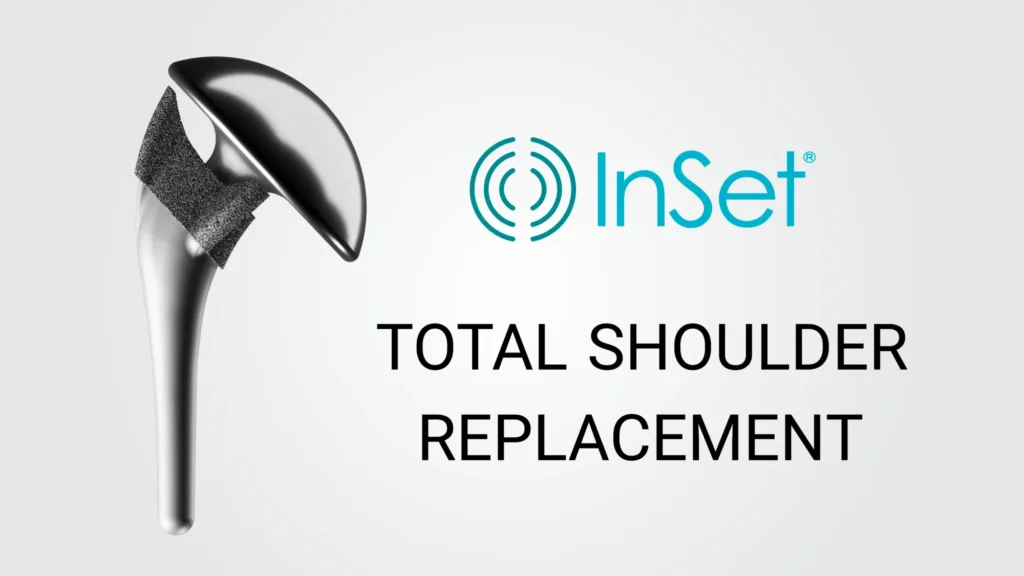
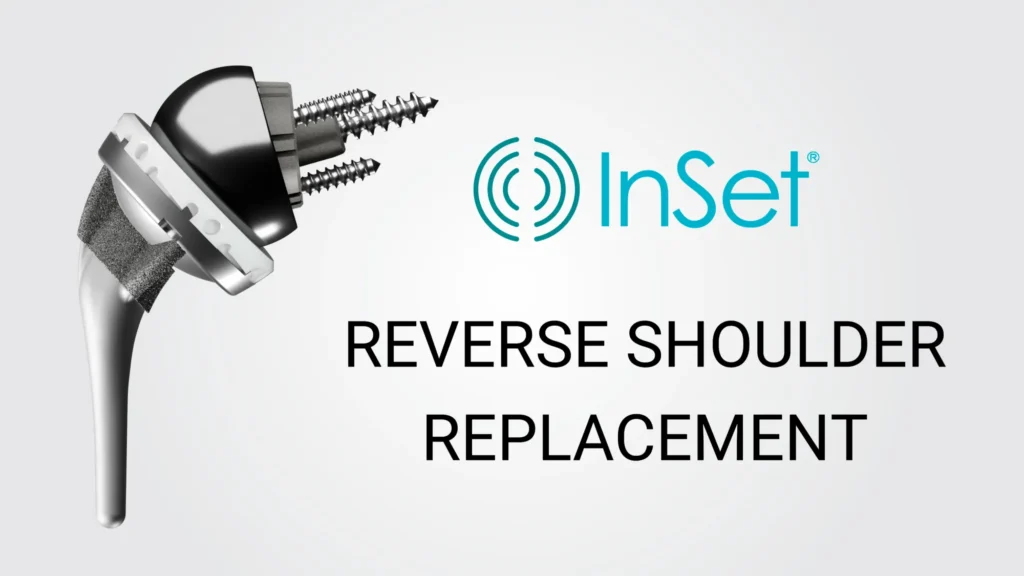
No implant is entirely immune to wear. That reality shapes every discussion about returning to lifting.
The Recovery Timeline: What to Expect
Recovery from shoulder replacement is a gradual, staged process that unfolds over months, and each patient moves through it at their own pace. While individual experiences vary, here’s a general sense of how recovery may progress.
In the first two to six weeks, the primary goal is to protect healing tissues and manage discomfort. You’ll likely wear a sling during this phase. Gentle range-of-motion exercises typically begin early. Light daily activities may gradually resume, but the shoulder is still healing from surgery and needs time.
From about six weeks to three months, patients generally move into a more active phase of physical therapy. Strengthening exercises using very light resistance may be introduced during this period. The focus, however, remains on restoring movement and rebuilding foundational muscle function around the shoulder.
Between three and six months, many patients begin to notice meaningful gains in strength and functional range of motion, though recovery timelines can vary depending on the type of shoulder replacement and individual healing. Some individuals may be cleared for light, controlled resistance exercises. Overhead pressing movements are typically still restricted at this stage.
By the six- to twelve-month mark, patients who have progressed well through rehabilitation may be ready to discuss a broader return to physical activity with their surgeon.
Total vs. Reverse Shoulder Replacement: Does the Type Matter?
Yes, the type of replacement you received may influence your activity guidelines going forward. Understanding the differences may help you set more realistic expectations from the start.
With a total (anatomic) shoulder replacement, the rotator cuff muscles are usually intact and functional. This tends to be an advantage for patients hoping to return to strength training. The rotator cuff plays a central role in stabilizing the shoulder during loaded movements, so having those muscles working well may allow for a broader range of upper-body exercises over time, assuming the recovery goes smoothly.
Reverse shoulder replacement is typically recommended when the rotator cuff is severely damaged or no longer functional. In this configuration, the deltoid muscle becomes the primary driver of shoulder movement. This is a remarkable functional achievement for patients who had lost significant shoulder motion, but it does mean the shoulder works differently than before surgery. Patients with a reverse replacement may find that activity guidelines are somewhat more conservative, particularly when still building strength in the deltoid muscle.
What Kinds of Lifting May Be Possible?
Can you lift weights after shoulder replacement in a practical, day-to-day sense? For many patients who recover well and follow their rehabilitation plan, the answer may be yes, though with meaningful modifications. The key is understanding which types of exercise tend to be better tolerated and which ones pose a higher risk to the implant.
Exercises that are commonly discouraged or restricted after shoulder replacement include:
- Heavy overhead pressing movements such as military press or push press
- Bench pressing with heavy loads
- Pull-ups, dips, or any exercise placing significant traction through the shoulder joint
- Contact sports or activities with a high risk of falling onto the shoulder
However, these decisions are highly individual. Ahead of returning to a lifting program, consult an experienced orthopedic surgeon or a qualified physical therapist.
Weight Limits: What’s Realistic?
One of the most common questions patients ask is whether there’s a specific weight limit after shoulder replacement. The answer is nuanced. There isn’t a universal number that applies to every patient or every activity. Guidelines are individualized based on the type of replacement, the patient’s anatomy, and the demands of the specific exercise.
For everyday activities, many patients regain the ability to lift light to moderate objects. However, specific weight limits vary widely and should be individualized based on your recovery progress and your surgeon’s recommendations. Research suggests repetitive heavy loading may accelerate implant wear over time.
How the InSet® System May Support Your Activity Goals
Certain implant systems may offer some meaningful advantages for active patients. I use the InSet® Shoulder Implant Systems, which are designed with features intended to preserve bone and support accurate implant positioning. No implant eliminates all risk, and results always vary. However, the technology behind the InSet® system reflects ongoing efforts in implant design aimed at supporting shoulder function over the long term.
Warning Signs to Watch For During Exercise
Returning to exercise after shoulder replacement requires ongoing awareness of how your shoulder responds. Some discomfort during rehabilitation is normal, but certain symptoms may signal that you’re progressing too quickly or that something isn’t right with the joint. If you notice any of the following during or after activity, stop what you’re doing and contact your surgeon’s office:
- New or increasing pain in the shoulder during or after exercise
- A grinding, clunking, or clicking sensation within the joint
- Swelling, warmth, or redness around the shoulder that doesn’t resolve with rest
- A noticeable decrease in range of motion compared to your recent progress
- Any sensation of instability or “giving way” in the shoulder
These symptoms don’t always indicate a serious problem, but they may warrant evaluation. Catching potential issues early gives you the best chance of addressing them without setbacks to your overall recovery.
Working With Your Care Team
The single most important thing you can do for your long-term outcome is stay closely connected to your surgeon and physical therapist throughout every phase of recovery. Your care team can help you set appropriate milestones, monitor how the shoulder responds to increasing activity, and give you informed clearance to progress when the timing is right.
If returning to lifting is a priority, make that goal clear from the very beginning, ideally before surgery. Sharing your activity expectations in advance allows your doctor to factor your lifestyle into the surgical plan and rehabilitation approach. Patients who communicate their goals openly tend to have more realistic, satisfying recoveries.
Summary
Can you lift weights after shoulder replacement? For many motivated, well-recovered patients, some form of resistance training may be possible, but it typically requires patience, a gradual approach, and guidance from your surgical team. Heavy overhead lifting and high-impact exercises may be discouraged to protect the longevity of the implant. If you’re considering shoulder replacement or have questions about activity after surgery, scheduling a consultation is a great first step toward getting the answers you need.
Frequently Asked Questions
How long after shoulder replacement can I start lifting weights again?
Most patients begin light, supervised resistance exercises around the three- to six-month mark, though this varies based on the type of replacement, individual healing, and rehabilitation progress. Your surgeon can develop a personalized timeline based on how your recovery unfolds.
What happens if I lift too much too soon after shoulder replacement?
Returning to heavy activity before the shoulder has healed adequately may increase the risk of complications, including implant loosening, soft tissue irritation, or stress fracture. If you experience unusual pain, clicking, swelling, or instability following exercise, contact your surgeon’s office promptly.
Can I still go to the gym after shoulder replacement?
Many patients continue going to the gym after shoulder replacement. Lower-body training, core work, and carefully chosen upper-body exercises are often compatible with a shoulder replacement when performed correctly and with appropriate loads. Working with a physical therapist or a trainer who understands your surgical history can help you build a gym routine that complements your recovery rather than jeopardizing it.
