

Medically reviewed by James Andry, MD | Reviewed July 2026
PRP, or platelet-rich plasma therapy, is a regenerative medicine option that I offer when the condition calls for it. Patients sometimes come into my office having read about it online, sometimes hopeful it will replace surgery entirely, or occasionally skeptical about it. So, what is PRP and how does it help orthopedic injuries? In this post, we’ll take a close look at PRP, including which conditions respond to it and what happens during the procedure itself.
Key Takeaways
- PRP, or platelet-rich plasma, uses a concentrated sample of your own blood platelets to support the body’s natural healing response.
- It’s most often considered for tendon conditions like rotator cuff tendinopathy and tennis elbow, along with some cases of early arthritis.
- The procedure itself is quick, performed in an outpatient setting, and typically takes about an hour from blood draw to injection.
What Is Platelet-Rich Plasma?
Platelet-rich plasma is exactly what it sounds like: plasma that’s been concentrated to contain a much higher density of platelets than what circulates in your blood normally. Platelets are best known for their role in clotting, but they also carry growth factors and proteins that participate in tissue repair.
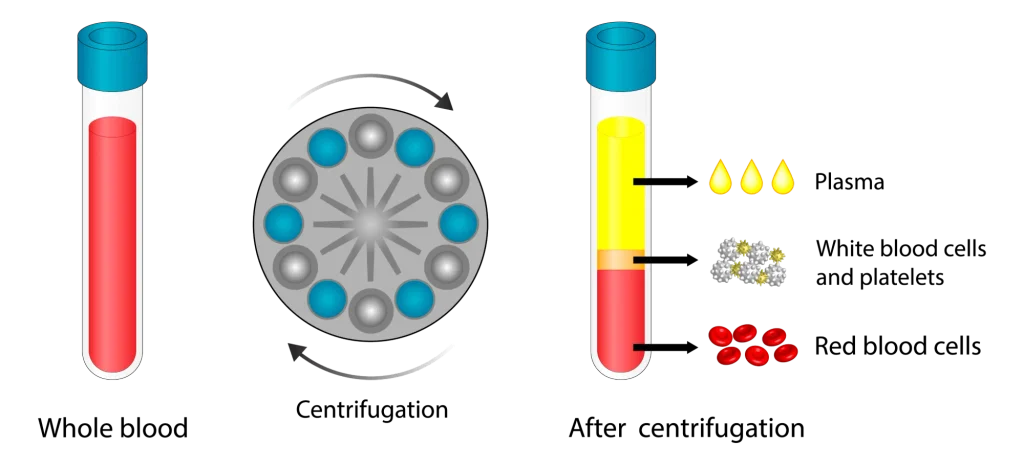
To create PRP, we draw a small sample of your blood, similar to a routine lab draw, and spin it in a centrifuge. That process separates the blood into layers, isolating the platelet-rich portion so it can be prepared for injection into the injured tissue. The idea is straightforward even if the underlying biology is still being actively studied: deliver a concentrated dose of your body’s own healing factors directly to the area that needs it.
Which Orthopedic Injuries Respond to PRP
PRP for orthopedic injuries has the most supporting evidence in tendon conditions, particularly when tissue is degenerating rather than acutely torn. In my practice, that most commonly means rotator cuff tendinopathy, partial rotator cuff tears, and tennis elbow.
Rotator cuff tendinopathy and partial tears are conditions where the tendon is irritated, thickened, or partially damaged but hasn’t fully separated from the bone. These cases sometimes respond well to the growth factors PRP delivers, particularly when conservative treatment like therapy hasn’t fully resolved symptoms. I’ve written more specifically about PRP for shoulder pain if that’s the condition you’re weighing treatment options for.
Tennis elbow is another condition where I’ve grown more comfortable recommending PRP over the years, partly because the alternative, a steroid injection, has increasingly disappointing long-term data behind it. I go into more detail on that comparison on our page about PRP for tennis elbow.
Early-stage shoulder arthritis is another category where PRP sometimes gets discussed, though I’m more selective about recommending it for arthritis specifically.
What PRP Is Not Meant to Fix
I’d rather be direct about where PRP falls short than let a patient walk in with unrealistic expectations. Complete tendon tears, particularly full-thickness rotator cuff tears, generally don’t heal with PRP alone. Once a tendon has fully separated from the bone, the biological environment PRP is designed to support isn’t enough to close that gap. Similarly, advanced arthritis with significant cartilage loss tends to be beyond what PRP can meaningfully influence.
The Procedure Itself
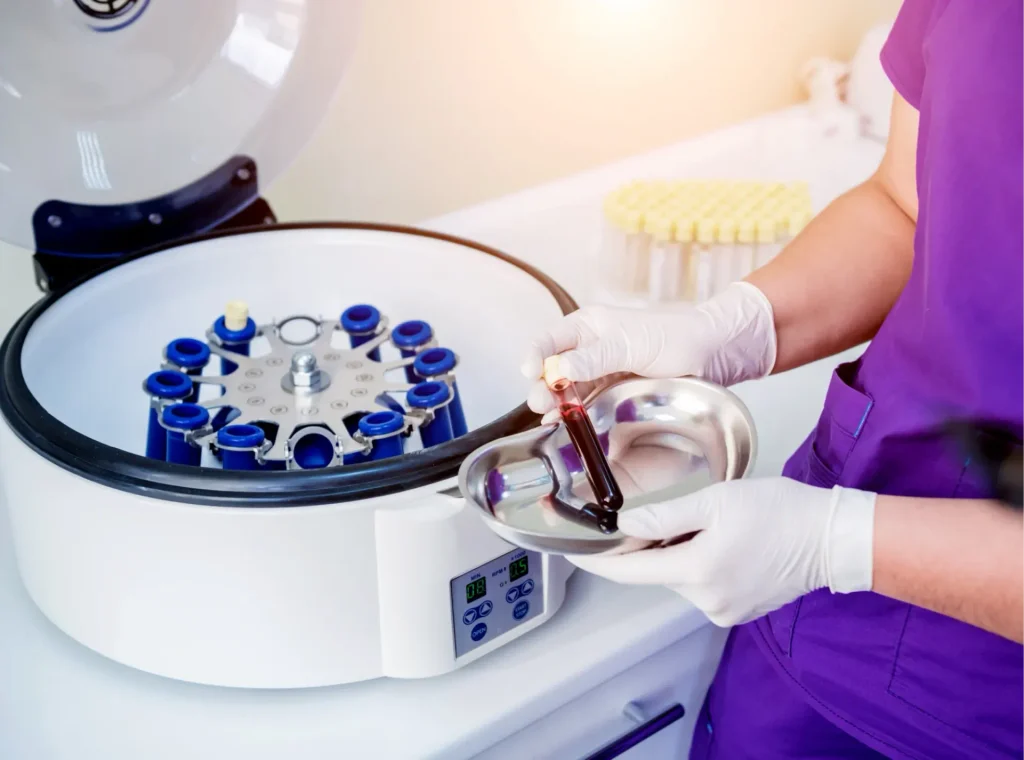
The PRP process is fairly consistent regardless of which joint or tendon is being treated. It starts with a blood draw, generally no more involved than routine lab work. That blood then goes into a centrifuge, which spins at high speed for roughly ten to fifteen minutes to separate red blood cells, platelet-poor plasma, and the platelet-rich layer we’re after.
Once the PRP is prepared, the treatment area is cleaned and, depending on the target tissue, ultrasound guidance may be used to help place the injection precisely. The injection itself takes only a few minutes, though patients often feel pressure or brief discomfort. From start to finish, most PRP appointments wrap up within about an hour.
Recovery After PRP
Soreness in the days following a PRP injection is common and generally expected, since the treatment intentionally triggers a mild inflammatory response as part of the healing process. Most patients find this improves over the first week. Anti-inflammatory medications like ibuprofen are typically avoided for a period after treatment, since they can blunt the very response PRP is designed to stimulate.
Activity modification plays a role too. Depending on the treated area, patients are usually advised to avoid heavy lifting or repetitive strain on the injected tendon for one to two weeks. Physical therapy often resumes shortly after, sometimes within a week, and plays an important part in translating the biological healing PRP supports into actual functional improvement.
Results aren’t immediate. Some patients notice improvement within a few weeks, while others don’t see meaningful change for two to three months, since the tissue remodeling process simply takes time. Some treatment plans involve a single injection, while others involve a short series spaced several weeks apart, depending on the condition and how the patient responds.
What I See in My Patients
A good number of the patients who come in asking about PRP in my San Diego office are active people, like surfers, golfers, tennis players, and people who work with their hands, who’ve already tried rest and therapy and aren’t ready to consider surgery yet. That’s often a reasonable group to consider PRP for, assuming the underlying diagnosis is one where the evidence actually supports it.
I’ll be candid: I don’t offer PRP to every patient who asks about it. If someone has a full-thickness rotator cuff tear with significant retraction, I’ll tell them plainly that PRP isn’t going to close that gap, and that we’re better off having an honest conversation about surgical repair instead of spending months on a treatment unlikely to get them where they want to be.
My Approach to Treatment
When I do recommend PRP, it’s usually after conservative measures like physical therapy and activity modification haven’t fully resolved symptoms, but before we’ve reached the point where surgery is clearly necessary. I think of it as a tool that sits in that middle ground, useful for the right diagnosis, not a universal alternative to every other treatment on the table.
I also tend to steer patients away from repeat steroid injections when PRP is a reasonable option instead, particularly for tendon conditions like tennis elbow, where the long-term data on repeated steroid use isn’t encouraging. That’s a stance I’ve become more comfortable taking as more research has come out over the past few years.
Summary
PRP uses a concentrated sample of your own blood platelets to support healing in certain orthopedic conditions, particularly chronic tendon injuries and some cases of early arthritis. While it isn’t a substitute for surgery in every situation, PRP can be an effective treatment option for carefully selected patients when conservative measures haven’t provided enough relief.
If you’ve been dealing with a tendon injury that hasn’t fully responded to rest and therapy, and you’re trying to figure out whether PRP makes sense before considering surgery, the best next step is a conversation grounded in your specific imaging and exam findings. Reach out through our appointment page, and we can walk through whether PRP fits your particular diagnosis or whether a different path makes more sense.
Frequently Asked Questions
Does PRP hurt?
The blood draw feels similar to a routine lab test. The injection itself may cause brief pressure or discomfort, and some soreness in the days afterward is common and generally expected as part of the healing response.
How many PRP injections will I need?
This depends on your specific condition and how you respond to treatment. Some patients see meaningful improvement after a single injection, while others benefit from a short series spaced several weeks apart.
How long until I see results from PRP?
Timelines vary. Some patients notice improvement within a few weeks, while others don’t see meaningful change for two to three months, since the underlying tissue healing takes time to develop.
Can PRP replace surgery?
Not in every case. PRP tends to work best for tendinopathy and partial tears rather than complete tears or advanced arthritis. Your surgeon can help determine whether your specific diagnosis is one where PRP is likely to be effective.
